
Wellness
Alcohol After 35: The Sleep Cost You May Not Notice Until Morning
• • 5 min read
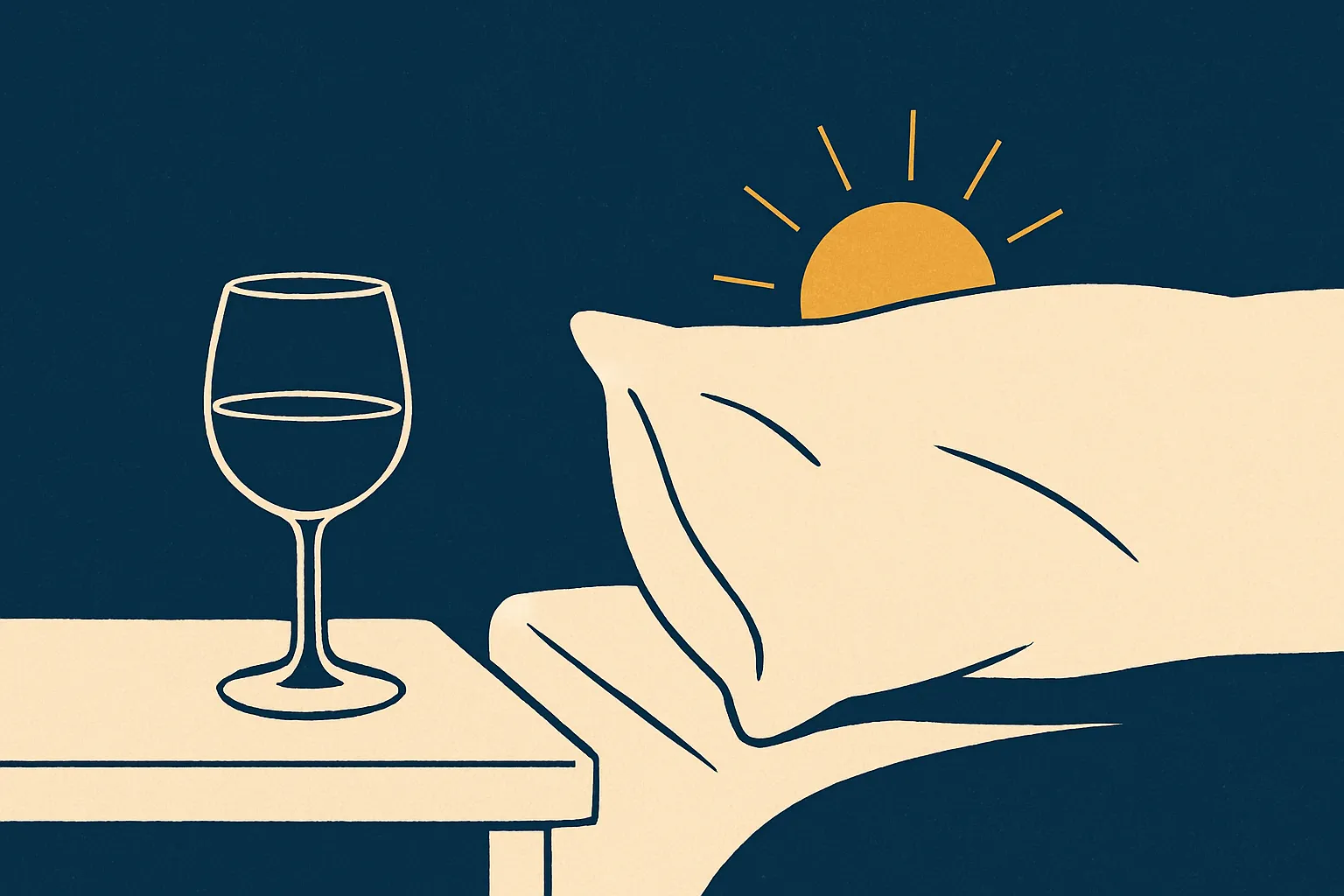
That evening drink may shorten the path to sleep while quietly making the rest of the night less restorative.
Alcohol can make you feel sleepy, but sleepiness is not the same as restorative sleep. It often shortens the time it takes to drift off while increasing disrupted sleep later, which can leave you foggy, sore, or unusually flat the next day.
After 35, that tradeoff may become easier to notice. There is no biological switch at 35, but gradual changes in sleep, body composition, stress, medications, and alcohol metabolism can make an old routine feel different.
Alcohol slows activity in the central nervous system, which includes the brain and spinal cord. That sedating effect can make the first part of the night feel easy.
As your body processes the alcohol, the effect changes. Sleep can become lighter and more fragmented during the second half of the night. You may wake briefly without remembering it, wake earlier than planned, or spend more time shifting between shallow stages of sleep.
Alcohol can also alter sleep architecture, the normal pattern of light sleep, deep sleep, and rapid eye movement sleep. Rapid eye movement sleep, often called REM sleep, supports memory, learning, and emotional processing. Deep sleep plays an important role in physical restoration.
The result is a common contradiction: you may have spent enough hours in bed but still feel under-recovered.
Age 35 is not a medical cutoff. It is simply a point when several smaller factors may begin stacking together.
Alcohol relaxes muscles around the airway. For someone who snores or has obstructive sleep apnea, that relaxation may worsen breathing interruptions. Obstructive sleep apnea means the airway repeatedly narrows or closes during sleep.
This is one reason a nightcap should not automatically be viewed as a sleep aid, even if it seems to help at first.
You do not need a classic hangover to have a lower quality recovery day.
Alcohol can increase urination by interfering with vasopressin, a hormone that helps the kidneys retain water. Fluid loss may contribute to thirst, headache, or a higher perceived effort during exercise the next day.
It may also keep heart rate elevated overnight in some people. A wearable might show a higher sleeping heart rate or lower heart rate variability, but consumer devices cannot diagnose a medical problem. Heart rate variability describes the small changes in time between heartbeats and is sometimes used as a rough recovery signal.
Higher alcohol intake can interfere with muscle protein synthesis, the process the body uses to repair and build muscle tissue. It can also affect coordination, reaction time, food choices, and motivation the next day. Together, those effects can make a normal workout feel harder or turn a planned workout into a skipped one.
This does not mean one drink ruins your fitness. The impact varies with the amount consumed, timing, food intake, hydration, sleep opportunity, medications, and individual biology.
Low energy, poor concentration, reduced exercise performance, irritability, and low libido can overlap with symptoms people associate with hormone changes. A few disrupted nights can produce many of the same complaints.
Alcohol can also influence hormones involved in stress, blood sugar control, reproduction, and sleep. The size and duration of those effects depend heavily on drinking pattern and overall health. One difficult morning does not establish a hormone imbalance, and symptoms alone cannot tell you whether testosterone, thyroid function, iron status, or another marker is involved.
Before assuming hormones are the cause, it helps to look at patterns. Ask whether the symptoms reliably follow evenings that include alcohol, even when the amount does not seem excessive.
You do not need a complicated tracker. For 10 to 14 days, note a few basic details:
Include several alcohol-free evenings for comparison. Keep the rest of the routine as consistent as reasonably possible, especially bedtime and caffeine intake.
The goal is not to earn a perfect score. It is to see whether a repeatable connection exists between evening alcohol and the following morning. If sleep and energy improve on alcohol-free nights, that observation may be more useful than guessing based on how sleepy the first drink made you feel.
People who drink heavily or regularly and may be physically dependent should not stop suddenly without medical guidance. Alcohol withdrawal can be dangerous.
If fatigue, low libido, poor recovery, or brain fog continues even when sleep and alcohol patterns improve, a medical evaluation may be reasonable. A clinician can review medications, sleep symptoms, nutrition, stress, medical history, and lab results rather than focusing on a single explanation.
Testing may look at blood counts, thyroid function, blood sugar, nutrient status, or hormones when clinically appropriate. If treatment is worth considering, a licensed clinician should discuss options only after an evaluation, medical history, and relevant lab work. Results vary by person. You can review what Peptes offers and how the consultation process works.
Seek medical care promptly for chest pain, fainting, severe shortness of breath, confusion, vomiting blood, signs of severe withdrawal, or extreme sleepiness that creates a safety risk. Loud snoring, gasping during sleep, or persistent morning headaches also deserve medical attention because they can be signs of sleep apnea.
A private consultation at Peptes Clinic in Dearborn takes about 20 minutes and includes lab work. The goal is to understand the full picture before discussing whether any medical option makes sense.
This article is for general education and is not medical advice. Treatment decisions require evaluation by a licensed clinician.