
Wellness
The scale can miss this: what your waist reveals about metabolic health
• • 5 min read
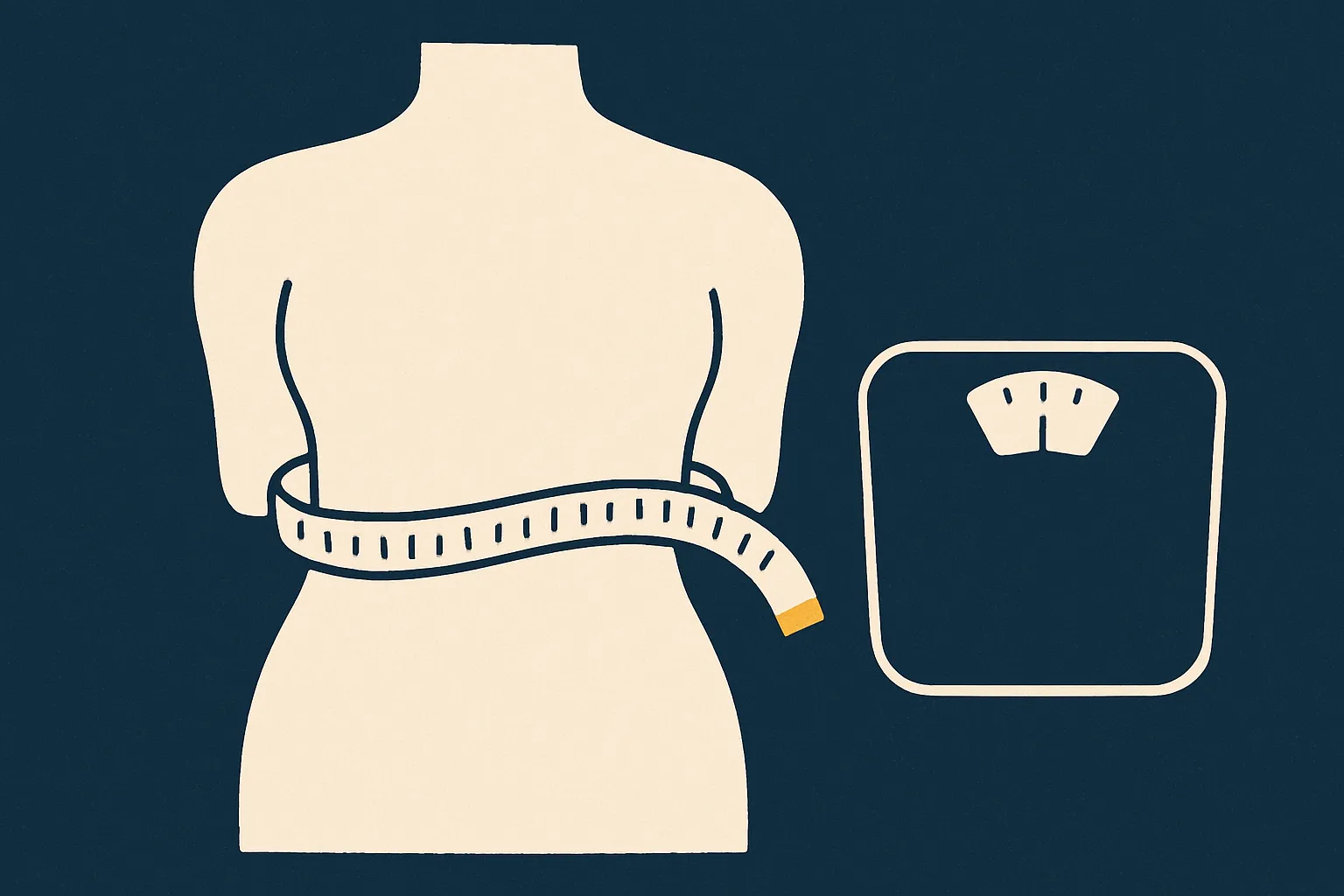
Your waist measurement offers a useful clue about fat distribution, blood sugar risk, and metabolic health that weight alone cannot provide.
Your waistline can reveal where your body is storing fat, something body weight alone cannot show. A larger or steadily increasing waist can suggest more fat around the organs, which is linked with insulin resistance, abnormal blood fats, fatty liver disease, and cardiovascular risk. It is a screening clue, not a diagnosis, and it makes the most sense alongside blood pressure, medical history, and lab results.
A bathroom scale combines muscle, fat, bone, organs, water, and everything else into one number. It cannot tell whether a change came from added muscle, fluid retention, or body fat.
Two people can have the same weight and very different metabolic risk. One may carry more fat just under the skin around the hips and thighs. Another may carry more deep inside the abdomen.
Visceral fat means fat stored deep in the abdomen around internal organs.
This tissue is metabolically active. Higher amounts are associated with inflammation, reduced insulin sensitivity, higher triglycerides, lower HDL cholesterol, and greater cardiovascular risk. That association does not mean a waist measurement can confirm any of those conditions. It tells you whether a closer look may be worthwhile.
A stable scale number can hide meaningful changes in body composition. Someone gaining muscle while losing abdominal fat may weigh about the same while their waist gets smaller. The reverse can also happen when muscle decreases and abdominal fat increases.
This is one reason weight alone can be frustrating. It compresses several different processes into a single number.
Waist measurements are not perfect either. Meals, constipation, bloating, fluid retention, posture, and the menstrual cycle can cause short-term variation. The useful signal is usually the trend over several weeks or months, measured in a consistent way.
Common United States screening guidelines identify increased risk above a waist circumference of 35 inches for women and 40 inches for men. Some ethnic groups may face metabolic risk at lower measurements, so clinicians may use different thresholds based on the individual and the guideline being followed.
These numbers came from population data. They are not sharp borders between healthy and unhealthy, and they do not account for every difference in height, body composition, age, hormonal status, or ancestry.
Waist-to-height ratio is another screening tool. A commonly used rule suggests keeping waist circumference below half of height, but this is still a general guide rather than a diagnosis or a universal target.
The main point is not to chase a perfect number. It is to notice whether your measurement is changing and interpret it with other health information.
Different organizations use slightly different measurement locations, which can create confusion. For home tracking, consistency matters most.
Measuring every day is rarely helpful because normal fluctuation can obscure the trend. Occasional measurements under similar conditions are easier to interpret.
Metabolic health describes how effectively the body manages energy, blood sugar, and blood fats. Waist circumference can suggest risk, but lab work and vital signs provide more direct information.
Depending on medical history and symptoms, a licensed clinician may consider:
No single result tells the whole story. A person can have a larger waist and reassuring labs, or a smaller waist and abnormal blood sugar or cholesterol. Family history, medications, sleep, activity, alcohol use, menopause, and certain medical conditions can all change the picture.
Situps can strengthen the abdominal muscles, but they do not selectively remove fat from the waist. Where fat comes off first is influenced by genetics, sex hormones, age, and overall energy balance.
The fundamentals still matter: regular movement, resistance training, enough protein and fiber, adequate sleep, and a sustainable eating pattern. These habits support metabolic health even when the tape measure changes slowly.
When lifestyle changes are not enough, a licensed clinician may discuss additional treatment options, including medical weight management or hormone evaluation when clinically appropriate. Any treatment should follow a review of medical history, symptoms, medications, and lab results. Results vary from person to person, and hormone or peptide therapy is not an automatic answer to a changing waistline.
A gradual waist increase over months is different from rapid abdominal swelling over days. Sudden expansion with severe pain, vomiting, fever, shortness of breath, leg swelling, blood in the stool, or a rigid abdomen should be evaluated promptly.
Pregnancy, digestive conditions, fluid buildup, medication effects, and other medical issues can also change abdominal size. Do not assume every change is body fat.
Waist circumference is useful because it adds information the scale cannot provide. It can help track body composition changes and identify when metabolic screening may make sense, but it should not be treated as a diagnosis or a measure of personal worth.
If your waist is increasing despite stable habits, or if you also have elevated blood pressure, unusual thirst, frequent urination, or a strong family history of diabetes, discuss it with a clinician. Peptes explains its evaluation steps on the consultation process page.
A private consultation at Peptes Clinic in Dearborn takes about 20 minutes and includes lab work. The goal is to review the full picture privately, not make assumptions from one measurement.
This article is for general education and is not medical advice. Treatment decisions require evaluation by a licensed clinician.